

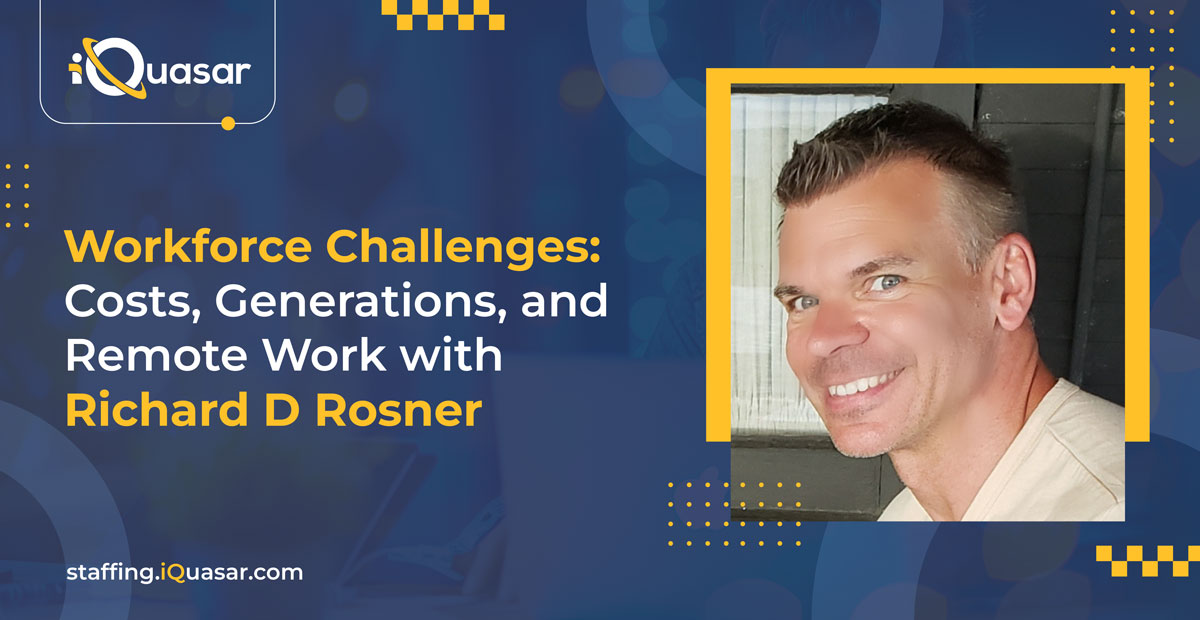
A Conversation with Richard Rosner on Effective Staffing Solutions for Today’s Workforce
In today’s dynamic business landscape, companies face significant challenges in sourcing and retaining the right talent. Hidden costs of in-house staffing, evolving workforce demographics, and the rise of remote and hybrid work models require businesses to rethink their staffing strategies. Outsourcing has emerged as a viable solution to enhance efficiency and competitiveness.
To delve into these critical issues, we sat down with Richard Rosner, founder of Staffing Shark and a leading expert in the staffing industry. Richard shares his insights on how businesses can navigate these challenges and optimize their staffing approaches.
Interview
Question: Richard, thank you for joining us today. Many companies believe that in-house staffing is more cost-effective than outsourcing. Can you discuss the hidden costs associated with in-house staffing?
Richard Rosner: Absolutely, it’s a common misconception. While in-house staffing might seem cheaper upfront, there are several hidden costs that companies often overlook. For starters, the time investment is significant—HR teams spend countless hours on recruiting processes, which could be better spent on strategic initiatives.
There’s also the cost of advertising job openings across various platforms, which adds up quickly. Technology expenses are another factor; investing in applicant tracking systems and other HR software isn’t cheap. Don’t forget about training costs—new hires require onboarding and development, impacting productivity during that period.
Employee turnover is a major hidden cost. Each time an employee leaves, you have to restart the hiring process, leading to lost productivity and additional expenses. Building and maintaining a strong employer brand to attract top talent requires ongoing investment. Lastly, there are administrative costs related to compliance, benefits administration, and payroll processing. When you add it all up, outsourcing can actually be a more cost-effective and efficient solution.
Question: That’s a comprehensive breakdown of hidden costs—thank you. Given these challenges, especially for small businesses with limited resources, how does outsourcing their staffing needs make a difference? What key benefits can they expect?
Richard: Outsourcing is a fantastic option for small businesses. One of the key benefits is time-saving gains. By assigning routine and time-consuming tasks to external professionals or agencies, small businesses and their teams can focus on core activities and strategic initiatives. This helps them liberate precious time and resources, allowing them to concentrate on growth and innovation.
Question: Those are significant advantages. Speaking of finding the right talent, the hunt for the perfect candidate—the “purple squirrel”—is a common challenge. How do staffing firms help companies locate and attract these rare talents, especially in specialized fields like cybersecurity or engineering?
Richard: Recruiting elusive “purple squirrels” requires a strategic and thoughtful approach. Here are some tips and best practices:
- Tap into your network: Leverage existing connections to find potential candidates who might not be actively searching for jobs.
- Attend industry events: Participate in conferences and seminars where top talent gathers.
- Utilize specialized recruitment agencies: Partner with agencies that have expertise in recruiting for niche or hard-to-find roles.
- Engage with members in online forums and communities: Join discussions in professional groups where these candidates are likely to be active.
By focusing on these strategies, staffing firms can increase the chances of attracting these highly sought-after candidates.
Question: It’s impressive how proactive engagement opens doors to such talent. With Gen Xers retiring, Millennials moving into leadership roles, and Gen Z entering the workforce, how do you see these generational shifts impacting how roles are filled? How can staffing firms help companies navigate and address the unique challenges and opportunities that come with this diverse and evolving workforce?
Richard: We’re expecting a significant shift toward a more tech-savvy, collaborative, and purpose-driven workplace. There’s a strong focus on flexibility and work-life balance, which impacts how roles are filled by prioritizing digital skills, valuing diverse perspectives, and offering opportunities for personal growth and impact within the company.
Staffing firms can assist companies by:
- Providing access to a broad talent pool.
- Specializing in inclusive recruitment strategies.
- Offering flexible workforce solutions.
- Staying updated on emerging skills.
- Advising on Diversity, Equity, and Inclusion (DEI) practices.
By doing so, they ensure companies can tap into the full potential of a diverse workforce.
Question: Adapting to these shifts certainly seems crucial for future success. Lastly, the rise of remote and hybrid work models has changed the staffing landscape, especially in industries like IT and telecom. How have these changes affected staffing strategies, and what best practices have emerged for recruiting and managing remote talent?
Richard: This shift is a big advantage for IT and telecom industries since they can operate almost entirely remotely. The staffing needs remain largely the same because all duties can be performed offsite.
When recruiting remote talent, prioritize skills assessments by emphasizing practical demonstrations of abilities such as teamwork, communication, and adaptability.
When managing remote talent, you can:
- Create a remote work policy: Establish a framework for how remote work is managed, including eligibility and approval processes.
- Set clear expectations: Ensure each team member understands their roles, responsibilities, and deadlines.
- Trust employees: Have confidence that your employees are fulfilling their duties and give them autonomy.
- Provide training: Offer an in-house training platform for continuous learning.
- Use technology: Utilize digital tools like video conferencing and project management software.
- Communicate frequently: Maintain transparent and consistent communication throughout the team.
By implementing these strategies, companies can effectively recruit and manage remote talent.
Navigating the complexities of staffing requires expertise and a strategic approach. As Richard Rosner highlights, outsourcing staffing needs can offer significant advantages, from uncovering hidden cost savings to accessing specialized talent and adapting to workforce trends. By partnering with experienced staffing firms, companies can focus on their core activities while ensuring they have the right people in the right roles.
About Richard Rosner
Richard Rosner is the founder of Staffing Shark and is widely known as “The Staffing Shark.” He is America’s Job Agent, an international keynote speaker, podcaster, and social branding expert. Recognized as one of the Top 100 Staffing Leaders, Richard also founded Staffing Shark Media, where he hosts live podcasts with industry-leading professionals discussing all things staffing and recruiting. A true branding and marketing guru, Richard is passionate about elevating the staffing industry to new heights.
At iQuasar Staffing, we’re dedicated to helping businesses overcome their staffing challenges with customized solutions. From tapping into specialized talent pools to implementing effective remote work strategies, our team is here to support your goals. Contact us today to discover how we can assist you in building a strong, dynamic workforce that drives success.
